
Shipping Container Homes
When exploring modern residential solutions, many homeowners are turning to unconventional methods to balance lifestyle and budget. One of the most significant Advantages of Shipping Container Modular Homes is their ability to merge contemporary aesthetics with exceptional durability. If you have read “Introduction to modular container architecture” article, you’ll have noticed that these structures repurposed from massive steel vessels provide a robust foundation that can withstand harsh environments while offering a unique architectural appeal.
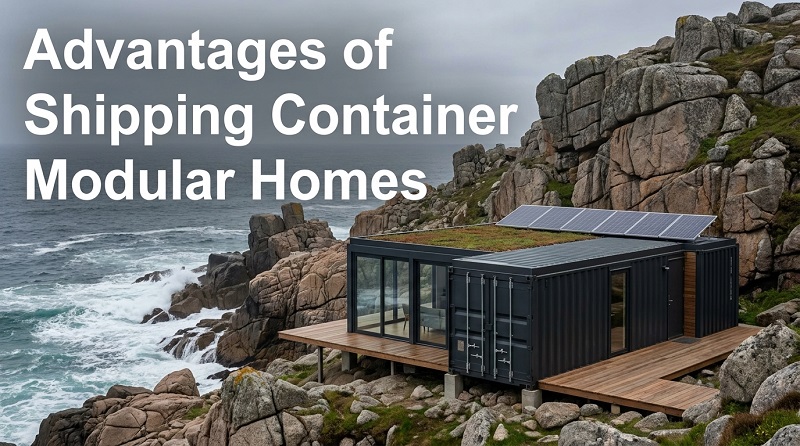
As urban areas become more crowded and traditional housing costs continue to rise, the container home advantages become increasingly clear to those seeking alternative living spaces. Builders are leveraging the inherent strength of these steel boxes to create multi-story residences that were previously thought to be too expensive or complex to execute. The flexibility of these units allows for an endless array of interior designs, ranging from minimalist studios to expansive family homes. By opting for this modular approach, residents can enjoy a secure and stylish dwelling that stands out in any neighborhood. The growing popularity of this trend is fueled by a desire for personalization and the need for more resilient housing options in the face of changing climate conditions across the globe.
The Economics of Modern Steel Construction
Financial considerations are often the primary driver for individuals looking into innovative building techniques. Cost efficiency is a hallmark of this construction method because the primary structure is already manufactured and ready for deployment.
Unlike traditional wood-frame houses that require extensive on-site labor and raw materials, a modular container approach utilizes a pre-existing steel shell that significantly reduces expenses. This inherent container home advantages translate to lower overhead for both the builder and the final homeowner, allowing more of the budget to be allocated toward high-end finishes or energy-efficient technologies.
Furthermore, the predictability of costs is much higher in a factory setting where modular components are prepped for assembly. By minimizing the time spent on a bustling construction site, homeowners can avoid the common financial pitfalls of weather delays and fluctuating material prices.
This streamlined economic model makes high-quality housing accessible to a broader demographic, including young professionals and retirees looking to downsize without sacrificing comfort or safety. The ability to forecast expenses accurately ensures that the project remains on track from the initial design phase to the final move-in day.
Speed and Precision in the Building Process
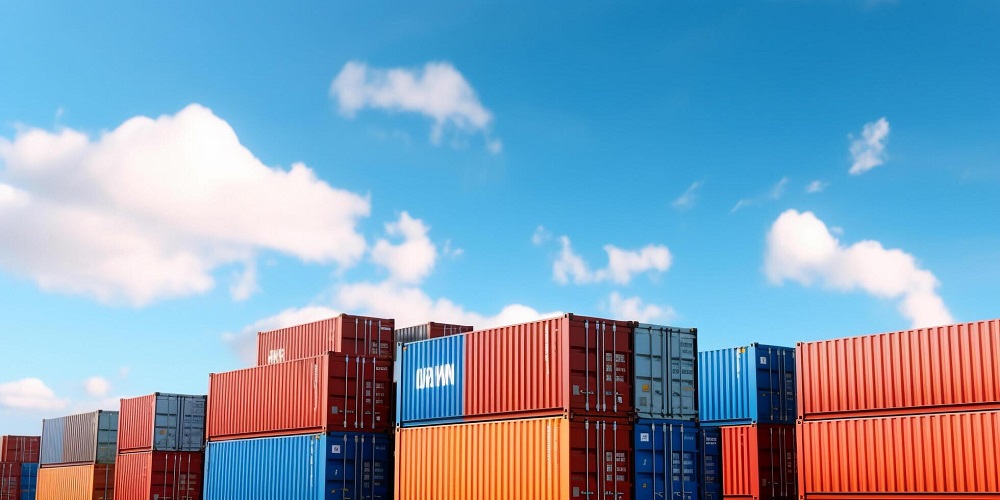
One of the most appealing aspects of transitioning to a modular lifestyle is the impressively fast construction time associated with these projects. Because the structural frame of the home is already intact, the transformation from a cargo container to a livable space happens much quicker than traditional masonry or timber builds.
While the site foundation is being prepared, the interior modifications, including insulation, plumbing, and electrical wiring, can be completed concurrently in a controlled environment. This dual-track workflow is one of the major container home advantages that allows families to move into their new residences in a fraction of the usual timeframe.
The efficiency is further enhanced by the standardized dimensions of the containers, which allow architects to plan with surgical precision. There is no need to wait weeks for walls to be framed or for concrete to cure before proceeding to the next stage of the build. This rapid pace does not come at the expense of quality; rather, it reflects a more organized and modern approach to residential development. For those living in areas with short building seasons or urgent housing needs, this accelerated timeline provides a reliable solution that traditional construction simply cannot match
Superior Standards Through Controlled Environments
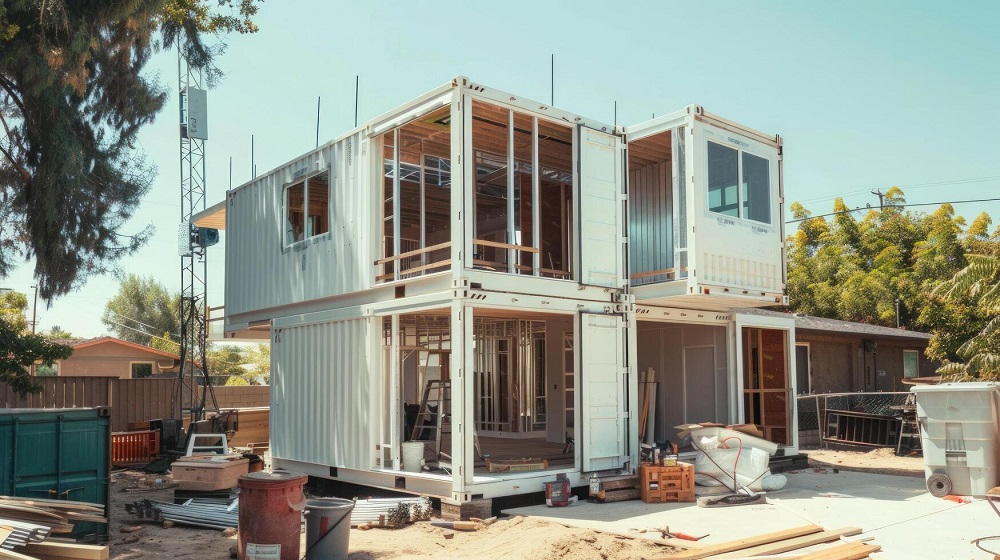
Quality control is a critical factor in the longevity and safety of any residential building. Factory-controlled quality ensures that every modification made to the steel structure meets rigorous industrial standards and is protected from the elements during the critical phases of construction.
In a traditional outdoor build, materials like wood and drywall are frequently exposed to rain, humidity, and extreme temperatures, which can lead to mold or structural warping over time. By moving the majority of the work indoors, builders can utilize precision machinery and maintain a stable environment for applying sealants and finishes.
This methodical process highlights the container home advantages by producing a finished product that is structurally superior and more airtight than many site-built homes. Skilled technicians can perform repetitive tasks with higher accuracy when they are working in a dedicated facility with easy access to all necessary tools and inspections.
This leads to better insulation performance and a more cohesive aesthetic throughout the home. When the finished modules are finally transported to their permanent location, they arrive as high-quality units that require minimal on-site assembly to become fully functional. This level of craftsmanship ensures that the home remains durable for decades with very little maintenance required from the owner.
Eco-Friendly Living and Resource Management
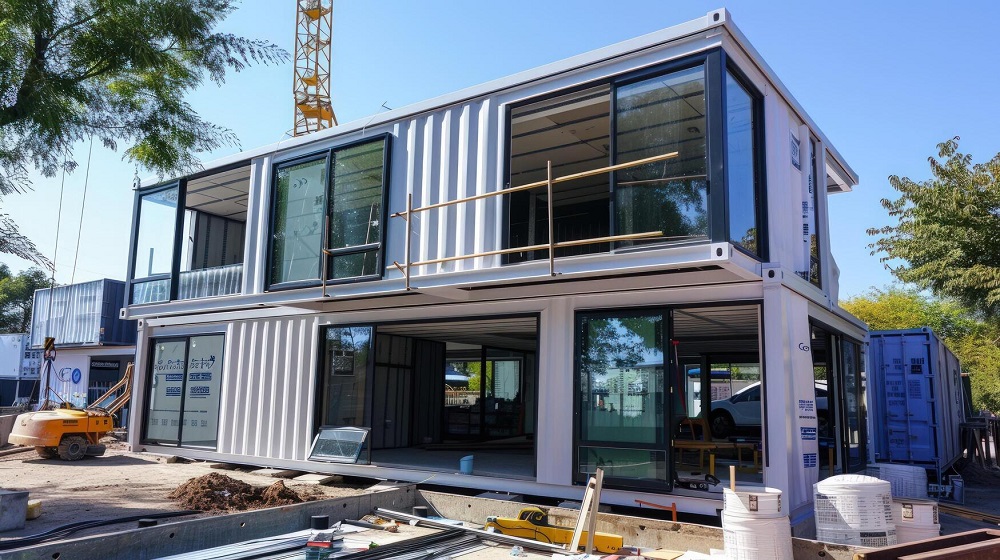
Sustainability has moved from a niche interest to a core requirement for many new homeowners today. Utilizing recycled steel vessels leads to a significantly reduced environmental footprint compared to traditional builds that require vast amounts of timber, bricks, and mortar. Each container repurposed for housing saves several tons of steel from being melted down, a process that is incredibly energy-intensive.
Additionally, the modular nature of the work results in lower construction waste because materials are cut and fitted in a factory where off-cuts can be easily sorted and recycled for the next project. These ecological benefits are key container home advantages for those who want to minimize their impact on the planet while enjoying a modern lifestyle.
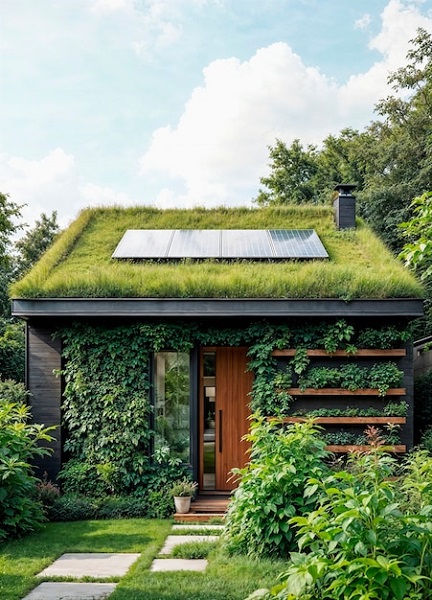
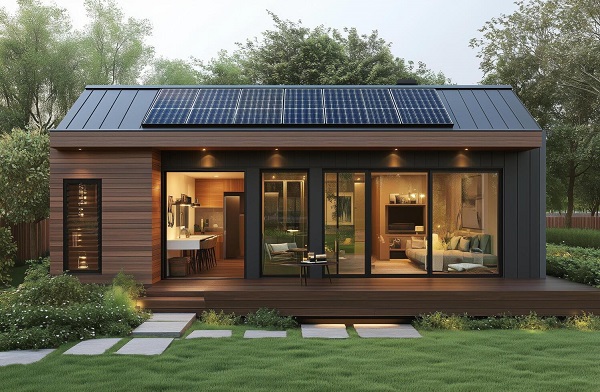
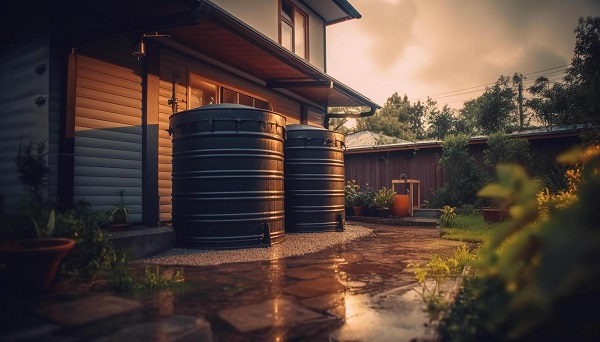
Many modular designs also incorporate green roofing, solar panels, and greywater recycling systems, further enhancing their environmental performance. By choosing a path that prioritizes upcycling, homeowners contribute to a circular economy that values resourcefulness over consumption.
The compact footprint of these homes also encourages a more mindful way of living, reducing the overall energy required for heating and cooling. This commitment to the environment does not mean a compromise in luxury, as modern insulation and smart home technologies ensure a comfortable and sustainable indoor climate year-round.
Versatility Across Challenging Terrains
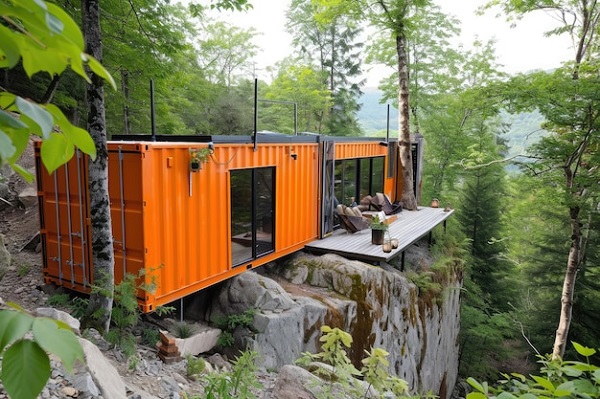
Geographical limitations often hinder the construction of traditional homes, especially in rugged or isolated areas. However, the adaptability for remote locations is a standout feature of modular steel units. Because the modules are designed to be transported via sea, rail, and truck, they can reach sites that would be inaccessible for heavy masonry equipment or large crews.
This mobility and flexibility allow individuals to build their dream homes on steep hillsides, in dense forests, or on remote coastal plots with minimal disruption to the surrounding landscape. The structural integrity of the steel ensures that the home can handle the stresses of transportation and crane installation without losing its shape or strength.
Once on-site, the installation process is relatively quiet and non-invasive, preserving the natural beauty of the property. For landowners looking to create off-grid retreats or vacation properties in far-flung locales, these units provide a plug-and-play solution that is both practical and resilient.
The ability to relocate the entire structure in the future adds another layer of value, as these homes are not necessarily tied to a single piece of land forever. This nomadic potential appeals to a new generation of homeowners who value freedom and the ability to adapt to changing life circumstances without abandoning their investment.
Growth Potential Through Intelligent Design
As families grow or personal needs change, the static nature of a traditional house can become a limitation. Scalable design systems offer a way to future-proof a residence by allowing for easy additions and reconfigurations.
Because containers are designed to be stacked and joined horizontally, homeowners can start with a single unit and add more modules as their budget or space requirements increase. This lego-like modularity is one of the most practical container home advantages, providing a path to expansion that is much simpler than traditional remodeling.
Adding a new bedroom, a home office, or a guest suite involves preparing a new module off-site and then securing it to the existing structure in a matter of days. This minimizes the chaos and debris typically associated with home renovations, allowing the inhabitants to continue their daily routines with minimal interruption.
Architects are now creating sophisticated master plans that envision long-term growth, ensuring that the aesthetic and structural harmony of the home is maintained through every phase of expansion. This scalability ensures that a container home can evolve alongside its owners, serving as a lifelong housing solution that remains functional and relevant. Whether building up or out, the inherent strength of the steel frame supports complex geometries that would be difficult and expensive to achieve with other materials.
