
Navigating the Complexity of Modern Construction Constraints | container construction disadvantages
Engaging in high-level architectural projects requires a deep understanding of the Disadvantages and Technical Challenges that often accompany innovative building methods. While modern engineering allows for incredible feats of design, the practical reality of execution frequently involves overcoming a difficult installation process that can delay timelines and inflate budgets significantly.
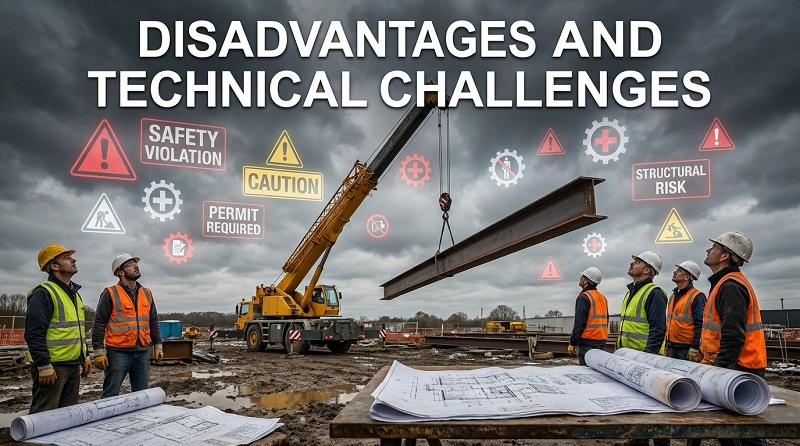
Project managers must account for the intricate dance between design intent and structural reality, ensuring that every component aligns perfectly under demanding site conditions. This complexity is further exacerbated when working with non-traditional materials that require specialized handling and precision tools.
Facing these Disadvantages and Technical Challenges early in the planning phase is essential for mitigating risks that could otherwise derail a successful handover. By identifying potential bottlenecks in the assembly sequence, contractors can develop contingency plans that address the nuanced needs of the build.
Successful navigation of these hurdles depends on a comprehensive strategy that balances aesthetic goals with the practical limitations of the physical environment. Whether dealing with tight urban sites or remote landscapes, the engineering team must remain vigilant against unforeseen complications that arise during the initial phases of development. Ultimately, the ability to anticipate and resolve these issues defines the longevity and safety of the final structure in an increasingly competitive market
Managing Material Vulnerabilities and Environmental Stress
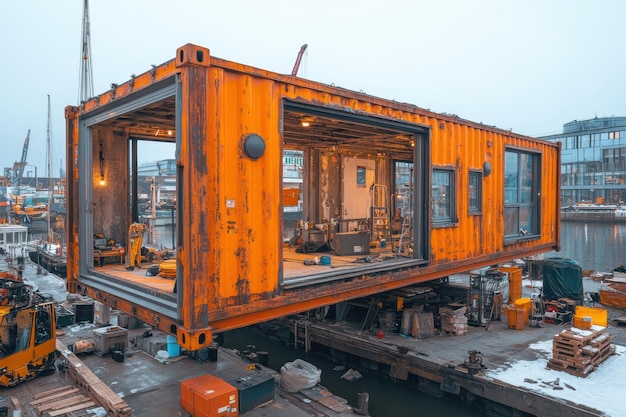
Besides the advantages of shipping container modular homes, one of the primary concerns in long-term infrastructure health is the risk of material degradation caused by constant exposure to fluctuating environmental elements. When buildings are subjected to extreme temperature shifts, the internal components may experience thermal insulation issues that lead to significant energy loss and discomfort for occupants. This degradation is often invisible to the naked eye until it manifests as a major failure within the building envelope or mechanical systems.
Furthermore, areas with high humidity or coastal proximity are particularly susceptible to corrosion and moisture problems, which can weaken metal fasteners and compromise the protective layers of the exterior cladding.
Over time, these chemical and physical changes reduce the effectiveness of the materials, necessitating premature replacements and costly diagnostic surveys. To combat these effects, engineers must select materials based on their specific resistance to the local climate, though this often increases the initial capital expenditure.
Ignoring the signs of wear can lead to a cascading series of failures that affect the entire utility of the space. Proactive monitoring and the use of high-grade protective coatings are vital strategies for extending the lifespan of the project. Understanding how different textures and chemical compositions react to UV radiation and moisture is a fundamental requirement for anyone involved in high-stakes construction today
Ensuring Long-Term Stability and Load Distribution
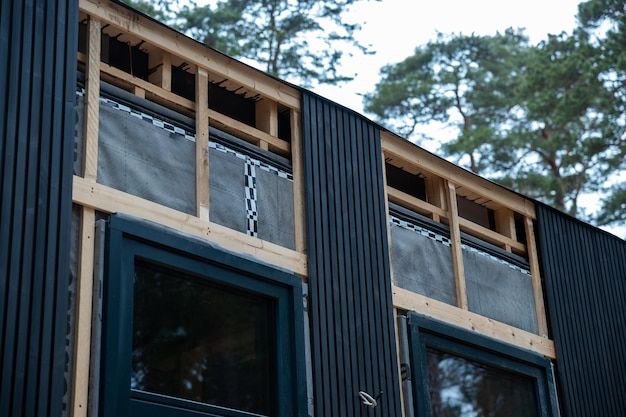
Maintaining structural integrity throughout the life of a building is a non-negotiable priority that requires precise calculations and a deep understanding of physics. As buildings age or undergo renovations, the need for structural reinforcement after openings becomes a critical safety factor to prevent sagging or total collapse.
Every time a new window, door, or utility shaft is cut into an existing load-bearing wall, the distribution of weight changes, putting immense pressure on the surrounding frame. Engineers must carefully analyze the load paths to ensure that the modifications do not introduce weak points that could fail during seismic events or high winds.
This aspect of construction is one of the most significant Disadvantages and Technical Challenges because it often requires intrusive work that disrupts the daily operations of the facility. Without proper reinforcement, the building may suffer from unsightly cracking, wall bowing, or even foundation settlement issues that are notoriously difficult to repair.
The integration of steel beams or carbon fiber wraps is a common solution, yet these additions must be executed with surgical precision to be effective. Continuous assessment of the frame ensures that any shifts or stresses are identified before they become hazardous to the public. Robust structural design acts as the backbone of the entire project, providing the necessary support for all other systems to function as intended
Overcoming Complex Distribution and Site Coordination
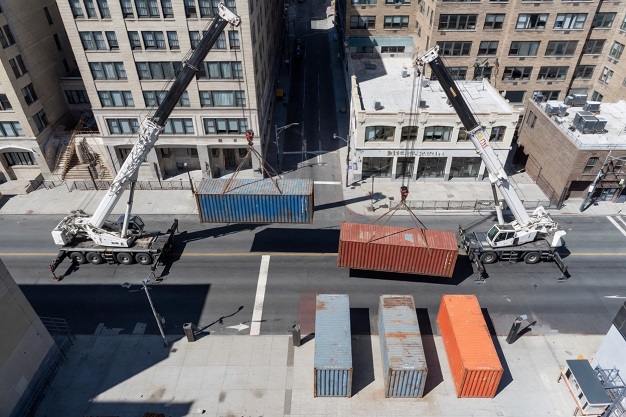
The success of a large-scale project is often dictated by how well the team manages various logistics hurdles related to the movement of heavy machinery and raw materials. Sites located in dense urban centers frequently face severe transportation limitations, where narrow streets and traffic congestion make the delivery of oversized components nearly impossible.
Coordinating the arrival of specialized cranes and flatbed trucks requires meticulous scheduling to avoid gridlock and local fines. These logistical constraints can lead to a difficult installation if the components cannot be positioned correctly upon arrival, forcing onsite teams to improvise under pressure.
Furthermore, the cost of specialized hauling and the energy required for long-distance shipping can significantly impact the project’s overall carbon footprint. Efficient logistics management involves creating a detailed site map that accounts for storage areas, turning radii, and off-loading zones.
When these factors are overlooked, the resulting delays can trickle down through the entire project timeline, causing missed milestones and increased labor costs. Clear communication between the procurement team and the on-site foreman is necessary to ensure that materials arrive in the correct order for assembly. By streamlining the supply chain, developers can reduce the friction associated with moving large volumes of material across challenging terrains
Navigating the Landscape of Legal and Safety Standards
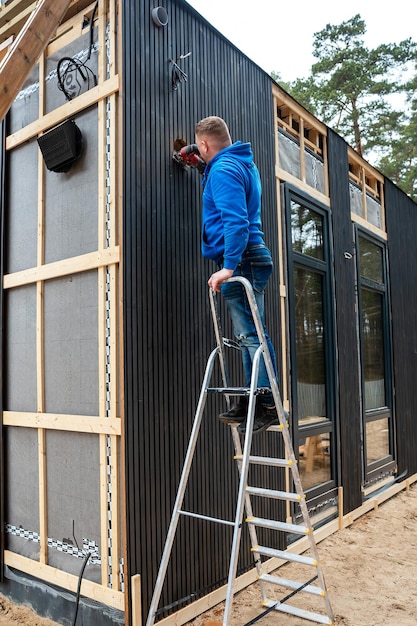
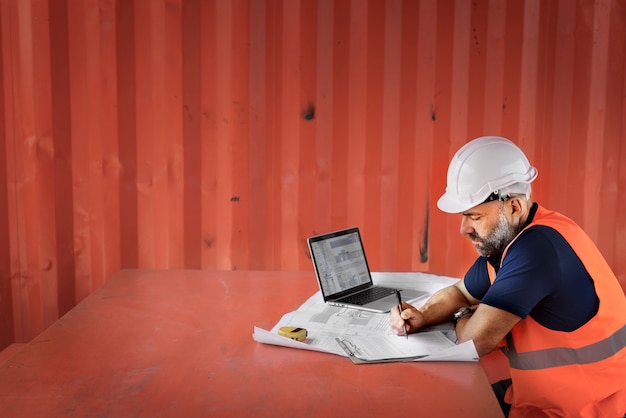
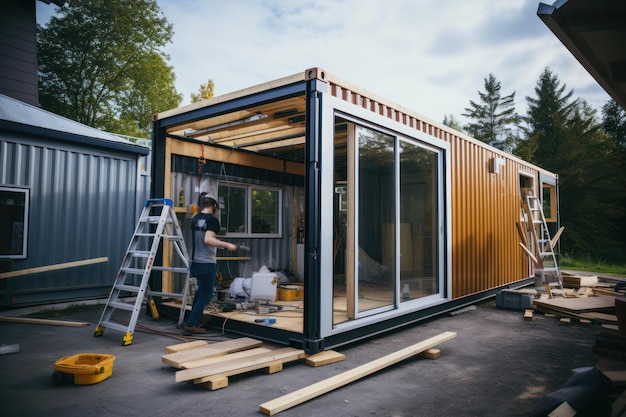
Adhering to strict regulatory compliance standards is a complex task that demands constant attention to changing local, state, and international building codes. Developers often run into building code restrictions that limit the height, density, or material usage of a project, forcing a complete redesign of the original concept. These legal frameworks are designed to ensure public safety and environmental protection, but they can act as significant roadblocks for innovative architectural designs.
Navigating the permit process is one of the most daunting Disadvantages and Technical Challenges, as it involves multiple layers of bureaucracy and rigorous inspections. Failure to comply with these rules can result in heavy fines, stop-work orders, or even the mandatory demolition of non-compliant structures.
Additionally, safety protocols must be integrated into every phase of the build to protect workers and future residents from harm. Keeping up with the latest fire safety codes and accessibility requirements is essential for modern builders who wish to avoid litigation and project delays.
High-quality documentation and open dialogue with city planners can help ease the approval process and ensure that the project meets all necessary benchmarks. Professional consultants are often brought in specifically to manage this aspect of the development, providing expertise on zoning laws and safety audits. In a highly regulated industry, staying ahead of legal shifts is just as important as the physical construction itself
Addressing Environmental Comfort and Spatial Efficiency
Creating a functional interior environment involves tackling acoustic issues that can make a space unusable if not properly managed from the start. High-performance buildings often face sound insulation challenges, particularly in mixed-use developments where residential units are located near noisy commercial zones. Without effective sound dampening materials and strategic wall placement, noise transfer can lead to a poor quality of life for occupants and constant complaints.
Alongside noise control, architects must deal with significant space constraints that require every square inch of the floor plan to be optimized for maximum utility. These limitations often lead to ceiling height limitations, especially when integrating bulky HVAC systems and fire suppression pipes into the plenum space.
Balancing the need for modern amenities with the physical volume available is a constant struggle in urban redevelopment projects. If the design does not account for these spatial realities, the resulting rooms may feel cramped or lack the necessary airflow for comfort.
Solving these problems requires a multidisciplinary approach where interior designers and mechanical engineers work closely together to hide essential systems without sacrificing aesthetic appeal. Modern solutions like acoustic baffles and compact climate control units are helpful, but they must be planned early to be cost-effective. Ultimately, the interior experience is what determines the long-term success of the building in the eyes of its users
Managing the Lifecycle of Modern Infrastructure
The final phase of any project involves preparing for the ongoing upkeep required to maintain the facility’s value and functionality over several decades. Developers must address long-term maintenance concerns during the design phase to prevent the building from becoming a financial burden on its owners. This includes selecting durable finishes and ensuring that mechanical systems are accessible for regular servicing and potential upgrades.
A difficult installation in the beginning can lead to even more complicated maintenance later if critical components are buried deep within the structure without access panels. Neglecting the routine cleaning of exterior facades or the inspection of roof seals can lead to sudden water ingress and expensive structural repairs.
Furthermore, as technology evolves, the building must be able to adapt to new energy standards and smart home integrations without requiring a total overhaul. Financial planning for these events is a core part of facility management, ensuring that a reserve fund is available for major equipment replacements. By prioritizing ease of access and material resilience, builders can significantly reduce the total cost of ownership.
A well-maintained building not only retains its market value but also provides a safer and more pleasant environment for everyone who uses it. Long-term success is measured not just by the beauty of the opening day, but by the performance of the building twenty years into the future
