
The Fundamentals of Cost Analysis and Economic Feasibility
Undertaking a major development project requires a comprehensive understanding of Cost Analysis and Economic Feasibility to ensure that the initial vision translates into a profitable reality. This analytical process serves as the backbone of the pre-construction phase, allowing stakeholders to evaluate whether a proposed structure is worth the investment of time, labor, and capital. By examining the construction cost in detail, developers can identify potential financial pitfalls long before any ground is broken or contracts are signed.
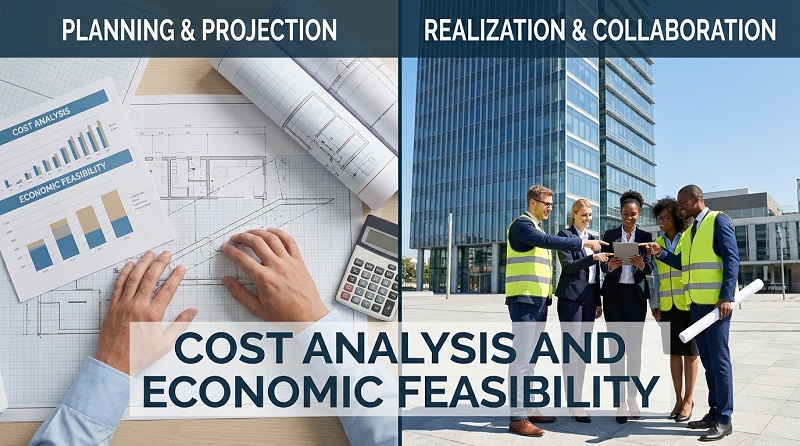
. Economic feasibility is not merely about having enough money to start a project; it is about ensuring the project can sustain itself and provide a return on investment over its entire lifespan. Architects, engineers, and financial consultants must work in harmony to align the design aspirations with the mechanical and structural realities of the budget. A poorly executed feasibility study often leads to mid-project halts, legal disputes, or significant debt accrual that can cripple a development firm for years.
Therefore, prioritizing a data-driven approach to budgeting is the most effective way to safeguard the financial health of a project. This evaluation includes everything from land acquisition and permit fees to the fluctuating prices of raw materials like steel and timber. Understanding these variables allows for a more robust financial viability assessment that accounts for market volatility and unexpected delays.
Establishing Financial Viability Through Detailed Budgeting
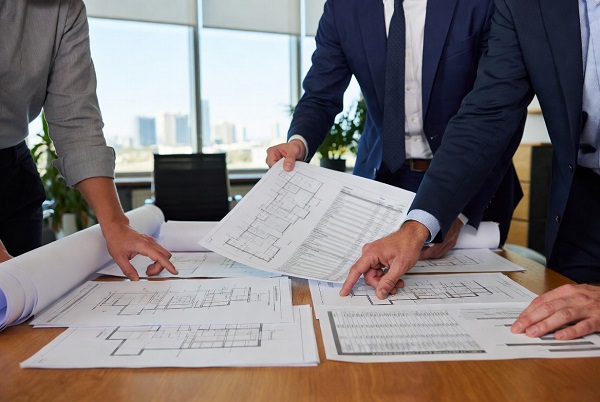
The core of any successful venture lies in its financial viability, which is determined by comparing projected expenses against the anticipated income or value generated by the completed work. Stakeholders must perform a construction cost comparison between different building methods, such as traditional masonry versus modular construction, to determine which path provides the best balance of quality and expense. This comparison is vital because it highlights where savings can be made without compromising the safety or integrity of the structure.
Financial viability also hinges on the ability to secure funding, and lenders typically require a rigorous feasibility report before approving any lines of credit or loans. When the financial viability of a project is clear, it builds confidence among investors and ensures that the project remains attractive even if market conditions shift slightly.
Cost managers must look beyond the immediate price of labor and materials to include contingency funds that act as a buffer against inflation or supply chain disruptions. By accurately forecasting these elements, the development team creates a roadmap that guides every subsequent decision from procurement to final finishing. This level of detail prevents the common trap of underestimating the “soft costs,” such as architectural fees, legal clearances, and administrative overheads, which can often consume a significant portion of the total budget.
The Role of Transportation Costs and Logistics

A factor that is frequently overlooked during the early stages of planning is the impact of transportation costs on the overall budget and timeline. Moving heavy machinery, bulk materials, and specialized workforces to a job site can significantly inflate the total construction cost if not managed with precision.
Logistics planning involves analyzing the proximity of suppliers to the site and the availability of infrastructure to support heavy transport vehicles. High fuel prices, tolls, and the need for specialized permits for oversized loads must all be integrated into the economic feasibility study to prevent budget overruns.
In some cases, sourcing materials locally might seem more expensive initially, but the reduction in shipping and handling fees may result in a more favorable construction cost comparison overall. Efficient logistics also contribute to the environmental sustainability of a project by reducing the carbon footprint associated with long-distance hauling.
Developers must also consider the timing of deliveries, as congestion or site access restrictions can lead to costly downtime for labor crews waiting for vital components. By meticulously mapping out the supply chain and incorporating these variables into the financial model, the development team ensures that the site remains productive and that the budget remains intact through every phase of the build.
Implementing Lifecycle Cost Analysis for Long-Term Value

While the initial outlay is the primary concern for many, a sophisticated lifecycle cost analysis provides a much broader view of a project’s true economic impact over decades. This approach evaluates the total cost of ownership, including the initial construction cost, energy consumption, and the inevitable repairs that will be required as the building ages.
Selecting cheaper materials at the start may appear to improve the immediate financial viability, but if those materials fail prematurely, the long-term expenses can skyrocket. For instance, high-efficiency HVAC systems or superior insulation may demand a larger upfront investment but will drastically reduce utility expenses and carbon emissions over the life of the building.
Lifecycle cost analysis encourages developers to think as owners rather than just builders, fostering a mindset that values durability and operational efficiency. This methodology is particularly important in commercial real estate where operating margins are often thin and energy efficiency is a major selling point for prospective tenants.
By quantifying the future savings generated by high-quality components, the economic feasibility of a project is strengthened, showing that a slightly higher initial spend can lead to much greater wealth preservation over time. This long-term perspective is essential for creating assets that remain competitive in the market and provide a steady stream of value for their occupants.
The Importance of Maintenance Budgeting


Effective maintenance budgeting is the silent partner of a successful development project, ensuring that the facility remains functional and aesthetically pleasing throughout its intended lifespan. Without a dedicated fund for routine inspections, cleaning, and equipment servicing, the physical asset will degrade rapidly, leading to a decline in its market value.
A realistic maintenance plan should be established during the initial design phase to ensure that the materials and systems selected are easy to access and repair. For example, if a building features a complex glass facade, the cost of specialized cleaning equipment and insurance must be factored into the annual operating budget.
Proper maintenance budgeting prevents the accumulation of “deferred maintenance,” a condition where small issues grow into catastrophic failures that require massive capital injections to fix. Investors and lenders are increasingly looking at these operational plans as a metric for the financial viability of a project, as they indicate a commitment to preserving the principal investment.
When a building is well-maintained, it attracts higher-quality tenants and commands better lease rates, which directly improves the overall ROI for developers. By treating maintenance as a predictable investment rather than an unexpected burden, property owners can stabilize their cash flows and ensure the continued economic feasibility of their holdings.
Maximizing ROI for Developers and Stakeholders

The ultimate goal for most private sector projects is to maximize the ROI for developers while delivering a product that serves a specific market need. Achieving a high return requires a delicate balance between controlling the construction cost and ensuring the final product possesses a high perceived value.
ROI for developers is influenced by a variety of factors, including the speed of construction, the prevailing interest rates, and the timing of the market exit or lease-up period. Utilizing modern project management software and lean construction techniques can help streamline workflows, reducing the time it takes to move from the design phase to occupancy. Every month shaved off the construction schedule represents a significant saving in interest payments and a faster start to revenue generation.
Furthermore, developers must stay attuned to shifting consumer preferences, such as the demand for smart home technology or co-working spaces, which can justify a higher price point and improve the economic feasibility of the venture. A successful developer is one who can anticipate these trends and integrate them into the financial model without allowing the budget to spiral out of control. By maintaining a focus on both cost containment and value creation, stakeholders can ensure that their capital is deployed in the most efficient manner possible, leading to sustainable growth and project success.
Exploring Affordable Housing Potential through Cost Innovation

The global demand for urban living has highlighted the critical need for expanding the affordable housing potential within our cities, which requires a new approach to cost analysis and economic feasibility. Traditional building methods often make it difficult to reconcile the high construction cost with the lower rent or sale prices required for affordable units.
However, by embracing innovation in materials and assembly—such as pre-fabricated components or cross-laminated timber—developers can reduce expenses and make these projects more financially viable. Governments and municipalities often offer tax incentives, grants, or zoning density bonuses to encourage the development of affordable housing, which must be carefully integrated into the overall financial plan.
These subsidies can bridge the gap between the cost of development and the revenue potential, allowing for a healthy ROI for developers even when serving lower-income demographics. Additionally, focusing on transit-oriented developments can minimize the need for expensive parking structures, further leaning out the budget.
When the affordable housing potential of a site is fully realized, it not only provides a social good but also fosters a more diverse and resilient local economy. Strategic cost analysis allows for the creation of high-quality, dignified living spaces that remain within reach for essential workers and young families, ensuring the long-term vitality of the urban fabric.
Conclusion and Final Synthesis
In summary, the journey from a conceptual sketch to a completed structure is paved with complex financial decisions that dictate the success or failure of the endeavor. Mastering the mechanics of Cost Analysis and Economic Feasibility allows developers to navigate this path with clarity and confidence, ensuring that every dollar spent contributes to the project’s long-term health.
By focusing on factors such as financial viability, accurate construction cost estimation, and lifecycle management, stakeholders can create resilient assets that stand the test of time. Whether the goal is maximizing the ROI for developers or expanding the affordable housing potential of a community, a rigorous and transparent approach to budgeting is the common thread that binds all successful projects together.
The integration of maintenance budgeting and logistics planning further strengthens the economic foundation, providing a comprehensive view of the total cost of ownership. As the industry continues to evolve with new technologies and shifting economic landscapes, those who prioritize thorough financial analysis will be best positioned to thrive. Ultimately, a well-planned project is one that balances ambition with fiscal responsibility, creating value for investors, tenants, and the broader society alike.
