
The Evolution of Efficiency in Modern Prefabricated Living
The global shift toward eco-friendly architecture has placed focused attention on Sustainable Energy Systems in Modular Housing as a primary solution for reducing the carbon footprint of the residential sector. Unlike traditional site-built homes, modular units are constructed in controlled factory environments where precise measurements and high-quality materials significantly reduce waste and air leakage. This climate-controlled manufacturing process allows for the seamless integration of modular housing energy networks that are often difficult to retrofit into older structures.

“Advantages of shipping container modular homes“
By prioritizing efficiency from the design phase, these homes can leverage advanced insulation techniques and airtight seals that maintain consistent internal temperatures with minimal mechanical intervention. Developers are increasingly looking at how these repeatable structures can be optimized for various climates while maintaining a core standard of environmental responsibility. The ability to monitor every stage of construction ensures that energy-efficient components are installed correctly, preventing the thermal bridging common in standard housing.
As urbanization increases, the demand for fast, affordable, and sustainable housing has made the marriage of modular construction and green technology a necessity rather than a luxury. This evolution is driven by both consumer demand for lower utility costs and government regulations aiming for a cleaner future in the built environment.
Advanced Solar Panel Integration and Photovoltaic Strategies

One of the most effective ways to achieve independence from the traditional power grid is through comprehensive solar panel integration during the factory assembly phase. Modular roofs are uniquely suited for solar technology because they can be engineered to the exact specifications required for maximum sun exposure and structural load-bearing capacity.
When the panels are installed in a factory setting, the wiring and electrical components are protected from the elements, ensuring a higher standard of durability and system longevity. This approach to modular housing energy allows homeowners to generate their own clean electricity from the first day they move in, drastically reducing long-term operational expenses. Engineers often use bifacial panels or thin-film solar technology to maximize surface area efficiency without adding excessive weight to the modules during transportation.
Beyond just the rooftop, some designs incorporate solar windows or cladding that turn the entire building envelope into an active energy harvester. This multi-layered strategy ensures that even in areas with limited sunshine, the home can capture enough diffuse light to support daily functions. The standardization of solar installation in modular factories also reduces the cost of labor compared to custom on-site retrofits, making renewable energy more accessible to a broader demographic of homeowners.
Comprehensive Battery Storage Systems for Energy Resilience

To truly master the peaks and valleys of renewable power generation, modern modular units are increasingly equipped with sophisticated battery storage systems that act as an energy buffer. These lithium-ion or flow battery setups allow the home to store excess electricity generated during peak sunlight hours for use at night or during overcast weather conditions. By decoupling energy consumption from real-time generation, these systems provide a level of resilience that is essential for remote or disaster-prone areas.
In addition to providing backup power, these storage units can be programmed to discharge during peak utility pricing hours, further optimizing the financial performance of the home. Manufacturers are now designing dedicated storage cabinets within the modular utility rooms to keep the hardware cool, safe, and easily accessible for maintenance. This integrated approach ensures that the modular housing energy profile remains stable even when the external environment is volatile.
As battery technology continues to drop in price and increase in energy density, the capacity for small-scale residential storage becomes a standard feature in high-performance prefabricated homes. These systems also facilitate smooth interaction with the local grid, allowing homeowners to participate in demand-response programs that reward them for stabilizing the regional power supply.
The Shift Toward Off-Grid Electrical Concepts and Autonomy
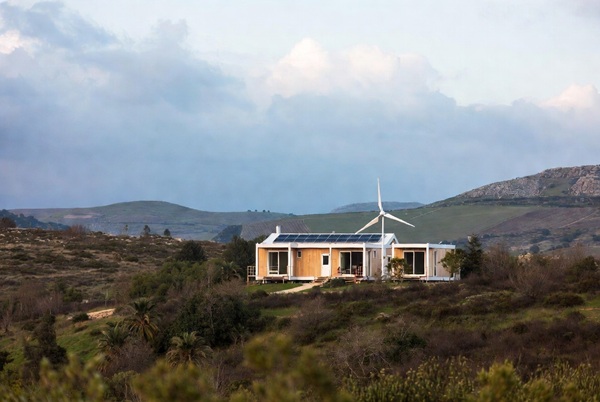
For individuals seeking complete disconnection from centralized utilities, off-grid electrical concepts offer a blueprint for total self-sufficiency in remote locations. These systems require a holistic view of energy, where every watt is accounted for through highly efficient generation and disciplined consumption patterns.
Modular homes are particularly well-suited for off-grid living because their compact footprints and high-performance envelopes minimize the total load required to maintain comfort. Achieving this level of autonomy usually involves a combination of solar, wind, and sophisticated backup generators that run on biofuels or hydrogen.
The design must account for seasonal variations in weather, ensuring that the solar array and storage capacity are sized correctly for the darkest months of the year. Water heating and space conditioning are often handled by heat pumps or solar thermal collectors to reduce the strain on the primary electrical bank. This focused modular housing energy strategy enables people to build in beautiful, isolated areas without the massive expense of running power lines over long distances.
Innovations in micro-inverters and power electronics have made these off-grid setups more reliable and user-friendly for the average homeowner, removing the complexity once associated with stand-alone power systems. Ultimately, these concepts prove that high-modernity living is possible anywhere on the planet with the right technological foundation.
Utilizing Wind Turbine Support Systems in Modular Design
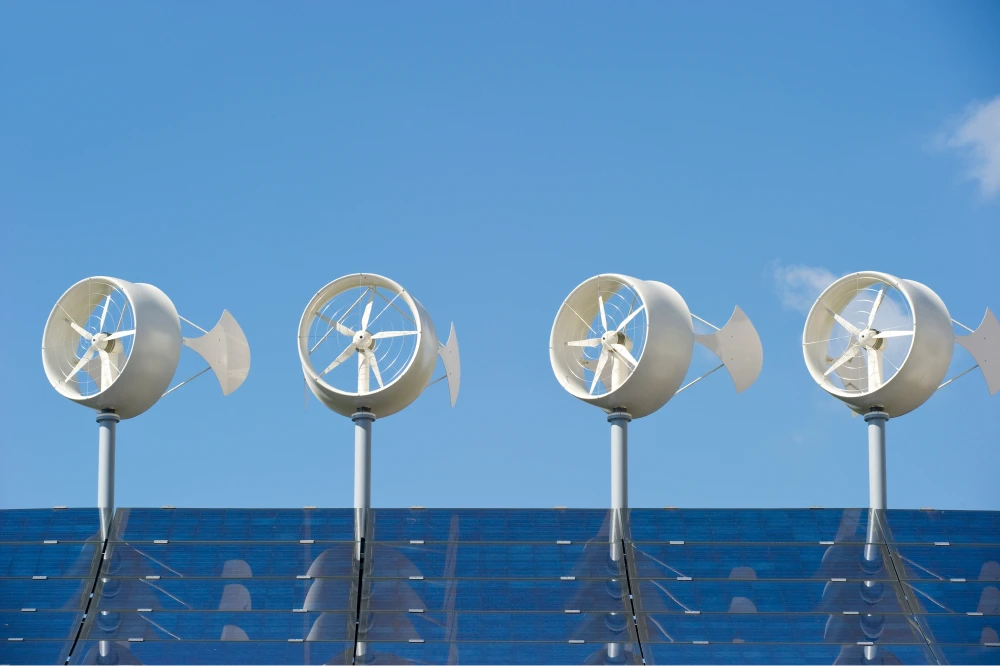
While solar energy is a dominant force, the inclusion of wind turbine support systems offers a vital secondary source of power, especially in coastal or mountainous regions where wind is a constant presence. Small-scale or vertical-axis wind turbines can be mounted directly onto the structural frame of a modular home, provided the engineering accounts for the resulting vibrations and kinetic loads.
These systems are particularly valuable during the winter months or nighttime hours when solar production is at its lowest, creating a complementary energy profile that balances the home’s needs. The factory-built nature of modular housing allows for the reinforcement of specific wall sections or roof trusses to handle the mechanical stresses of a turbine without compromising the building’s integrity.
These wind systems are often connected to the same central management hub as the solar panels, allowing for a unified approach to modular housing energy harvesting. Advances in silent turbine technology have mitigated concerns regarding noise pollution, making it more feasible to use wind power in semi-rural or even suburban modular developments.
By diversifying the ways in which energy is collected, the home becomes less dependent on any single environmental factor, ensuring a more consistent supply of green power. The visual presence of these turbines also serves as a testament to the home’s commitment to cutting-edge sustainability and engineering excellence.
Smart Energy Management and Automation Networks
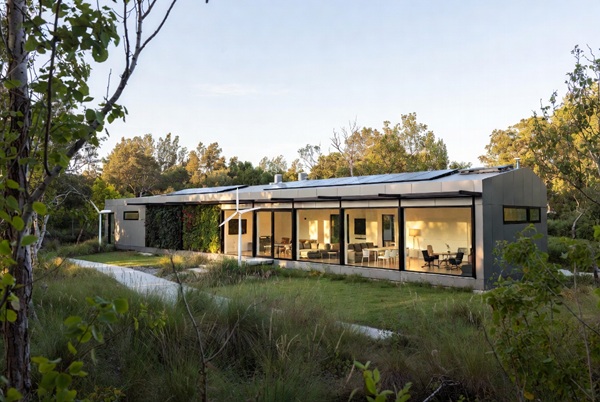
The brain of a modern sustainable home is its smart energy management system, which uses artificial intelligence and real-time data to optimize how electricity is used and stored. These systems monitor weather forecasts, occupancy patterns, and appliance usage to make micro-adjustments that save significant amounts of power over time. For example, the system might pre-cool the house during a period of high solar production or delay running a dishwasher until the battery storage is at full capacity.
This level of automation ensures that the modular housing energy footprint is minimized without requiring the homeowner to manually toggle switches or monitor meters constantly. Users can typically access these controls via smartphone applications, giving them full transparency over their carbon footprint and financial savings.
Sensors placed throughout the modular units detect when a room is unoccupied and automatically dim the lights or adjust the thermostat to prevent waste. Furthermore, these management platforms can interface with electric vehicle charging stations, prioritizing car charging when renewable energy is plentiful.
This interconnected ecosystem transforms the home from a passive shelter into an active, intelligent participant in the global transition to a decentralized energy grid. As these software platforms evolve, they become more adept at identifying maintenance issues before they result in energy loss, extending the life of the home’s mechanical systems.
Appliance Efficiency and LED Lighting Optimization

Achieving a sustainable home requires more than just generating green power; it also demands the rigorous application of low-energy appliance selection protocols throughout the interior. In a modular setting, every appliance from the refrigerator to the laundry unit is chosen based on its energy-to-performance ratio to ensure the total draw remains within the limits of the on-site generation.
High-efficiency induction cooktops are often preferred over traditional electric or gas stoves because they transfer heat directly to the cookware with minimal loss to the surrounding air. Similarly, LED lighting optimization plays a critical role in reducing the base load of the house, as modern LEDs use a fraction of the electricity required by incandescent or even fluorescent bulbs. These lighting systems are often integrated into the factory wiring with smart dimming capabilities that adjust based on the amount of natural light entering through high-performance windows.
The strategic placement of windows and skylights in modular design also reduces the need for artificial lighting during daytime hours, capitalizing on natural illumination. By reducing the overall demand for electricity through smart appliance and lighting choices, the size and cost of the solar and battery systems can be reduced accordingly. This holistic approach to efficiency makes it much easier for a modular home to reach its full sustainability potential while providing a modern and comfortable lifestyle for the residents.
Realizing the Net-Zero Energy Potential of Prefabricated Homes

The ultimate goal for many environmentalists and homeowners alike is the net-zero energy potential, where the home produces as much energy as it consumes over the course of a year. Sustainable Energy Systems in Modular Housing are uniquely positioned to meet this rigorous standard because the construction process is so tightly controlled and optimized for performance.
By combining high-R-value insulation, triple-pane glass, and advanced HVAC systems like heat recovery ventilators, modular homes reduce their heating and cooling needs to a minimum. When these passive design features are paired with active generation technologies, the house often becomes a net-exporter of energy back to the city grid.
This status not only eliminates monthly utility bills but can also generate a modest income through net-metering programs offered by many power companies. The move toward net-zero is not just about environmentalism; it is about long-term financial security and creating a legacy of responsibility in the housing market. As building codes around the world become stricter regarding energy performance, the modular industry is leading the way by demonstrating that net-zero living is achievable and affordable today.
These homes serve as high-tech prototypes for the future of all residential construction, proving that we can live well without compromising the health of the planet. Every modular unit that reaches net-zero status represents a significant victory in the fight against climate change and a better standard of living for the next generation.
